

Anxiety can feel like a constant hum in the background creating a mix of racing thoughts, physical tension, and the sense that something isn’t quite right. I know from seeing clients in Nottingham and beyond that anxiety isn’t just a passing worry, it’s a regular part of their daily life.
As a Nottingham-based therapist, I work with people from all walks of life who are looking for practical ways to manage their anxiety. And while anxiety can be overwhelming, the good news is that there are strategies that work. In this post, I’ll walk you through seven powerful anxiety strategies that work which I often share in therapy and you can star using this tools today to help.
Whether you’re navigating stress at work, feeling socially anxious, or just can’t switch off at night, this toolkit is designed to help.
What Does Anxiety Feel Like Day-to-Day?
Anxiety doesn’t always feel the same every day. For some it shows up as a churning stomach before you leave the house, or perhaps a racing heart during a meeting, or even and endless loop of worries and negative thoughts when you’re trying to fall asleep.
In Nottingham, I’ve worked with students battling performance anxiety, professionals struggling with burnout, and parents overwhelmed by daily responsibilities. Anxiety is incredibly common and you’re far from alone in dealing with it.
So what can be done to help? Well here are 7 strategies that can help you manage anxiety more effectively at home.
7 Anxiety-Relief Techniques That Actually Work
1. Grounding Techniques: Stay in the Present
When anxiety strikes, it often pulls us into imagined futures or past regrets or failures. Grounding is a way of anchoring yourself in the here and now.
One of the most popular techniques is the 5-4-3-2-1 method:
-
5 things you can see
-
4 things you can feel
-
3 things you can hear
-
2 things you can smell
-
1 thing you can taste
Practicing this forces you to think externally rather than internally which helps you to lessen anxiety. Why not try this next time you are walking through Wollaton Park or sitting in Nottingham Arboretum.
2. Box Breathing: Calm Your Nervous System
Another of my anxiety strategies that work well are breathing exercises work because they signal to your brain that you’re safe. One method I teach in therapy is box breathing. The idea is to breathe in time with the circle on the box or square to regulate and calm your breathing.
-
Inhale for 4 counts
-
Hold for 4 counts
-
Exhale for 4 counts
-
Hold for 4 counts
Repeat this cycle for a few minutes, and you’ll likely feel more centred. You don’t need my box in front of you to do this as you can easily visualise this in your mind. It’s discreet, easy to do anywhere (even on the tram!), and can break the cycle of panic.

3. Use Self-Hypnosis to Rewire Anxious Thinking
Self-hypnosis is a powerful and underrated tool for calming anxiety. It works by guiding your mind into a deeply relaxed, focused state where you become more open to positive suggestions and emotional reset.
Unlike meditation, self-hypnosis actively helps shift the patterns behind your anxious thoughts, offering faster and more targeted relief.
If you’re new to hypnosis, don’t worry because I have created an easy-to-use guided self-hypnosis audio specifically designed to ease social anxiety and general overthinking. My clients in Nottingham have found it deeply calming and surprisingly effective. You can purchase it in my online store to begin building your own inner sense of calm, anytime you need it.
4. Worry Windows: Set Boundaries for Your Brain
It might sound strange, but scheduling your worry time can reduce how often anxiety hijacks your day.
Here’s how:
-
Choose a 15-minute window each day to only focus on your worries.
-
Outside of that time, if anxious thoughts arise, gently remind yourself, “I’ll deal with that in my worry window”.
This method gives your brain permission to pause, instead of ruminating all day. Many people find their worry window gets shorter or even disappears over time.
5. Reduce Avoidance: Face Fears in Small Steps
Avoiding situations that trigger anxiety feels good in the short term but it often reinforces the fear long-term. The key is gradual exposure.
If, for example, you’ve been avoiding buses since a panic attack, your first step might be walking past a bus stop. Then try sitting on a stationary bus. Over time, you rebuild confidence and teach your brain that the situation isn’t dangerous.
Therapy can help you plan these steps in a manageable, supportive way and we use what is known as a fear ladder to help our clients overcome these fears bit by bit.
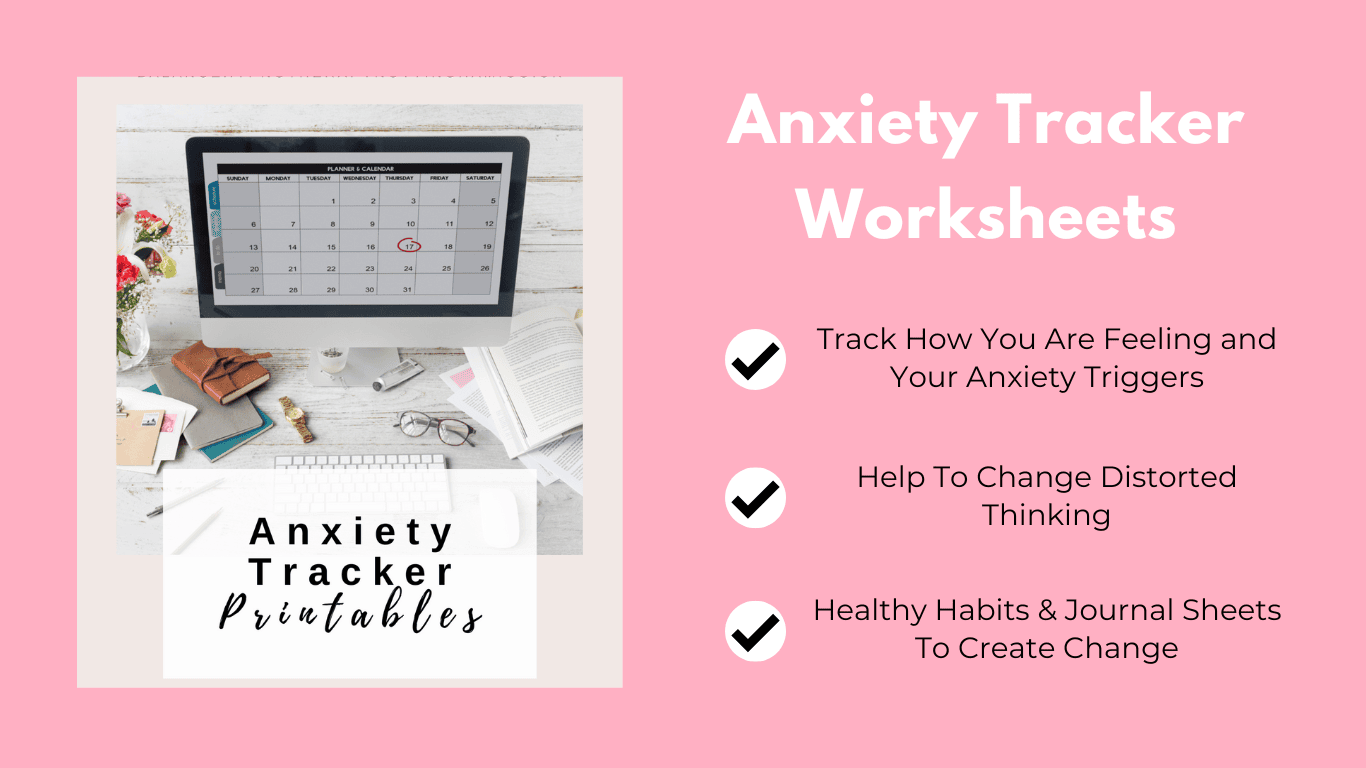
6. Identify The Source of Your Anxiety Triggers
7. Seek the Right Support: You Don’t Have to Do This Alone
Anxiety is treatable and getting help from a hypnotherapist can make a lasting difference.
You don’t need to wait until you feel at breaking point. If anxiety is interfering with your sleep, work, relationships, or self-worth, it’s okay to reach out. I offer anxiety hypnosis sessions in Nottingham and online, tailored to your needs and pace.
When to Get Extra Help for Anxiety
If your anxiety leads to:
-
Panic attacks
-
Avoidance of everyday situations
-
Intrusive thoughts
-
Sleep disruption
-
Struggles at work or school
…then professional support could really help.
Use Our Anxiety Strategies That Work Today
Managing anxiety isn’t about “fixing” yourself it’s about learning tools to navigate life with more ease and control. These seven strategies are a great place to start, and they’ve helped many of my clients in Nottingham feel calmer, more confident, and more in charge of their lives.
Start using our anxiety strategies that work today and begin to take back control of how you fee.
You don’t have to do this alone. If you’re ready to take that first step, I’d love to support you. Just call me today and arrange to find out more.


